Introduction
Peacock Pose, or Mayurasana, is a powerful arm-balancing posture in yoga that symbolizes strength, balance, and purification. Though it may look intimidating, with proper guidance, patience, and practice, anyone can approach this pose mindfully.
At Pokhara Yoga School and Retreat Center, we guide students of all levels to progress safely through even the most advanced asanas, including the majestic Peacock Pose.
What is Peacock Pose (Mayurasana)?
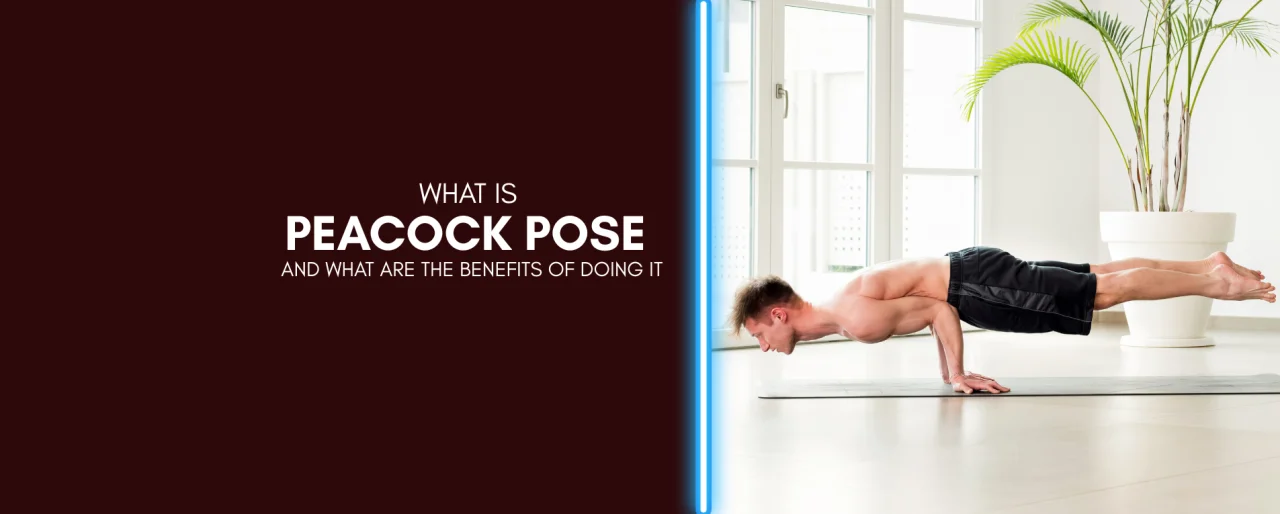
Mayurasana is a classic Hatha Yoga pose where the entire body is balanced on the palms with elbows pressing into the abdomen. It’s known not only for its dramatic appearance but also for its deep internal detoxifying effects.
The Sanskrit name breaks down as:
- Mayura = Peacock
- Asana = Pose/Posture
Traditionally, peacocks are believed to eat poisonous snakes and remain unaffected, symbolizing immunity and grace. This pose reflects inner strength, resilience, and digestion-enhancing power.
How to Do Peacock Pose – Step-by-Step Guide
Always warm up your wrists, arms, and core before attempting Mayurasana.
- Start in a kneeling position, place your hands on the floor, fingers pointing toward your feet.
- Bring your elbows together and rest your abdomen gently on your elbows.
- Stretch your legs back, toes together, and slowly shift your weight forward.
- Lift both legs off the floor, balancing the entire body on your palms.
- Engage your core, keep your gaze forward, and hold for 5–10 seconds to begin with.
- Slowly lower down, and relax in Child’s Pose (Balasana).
Modifications for Beginners
- Use yoga blocks under the chest for support.
- Try knees-on-floor variations to build arm and core strength.
- Practice Plank Pose and Crow Pose (Bakasana) as preparatory steps.
Benefits of Peacock Pose (Mayurasana)
- Boosts digestion and detoxifies the abdominal organs
- Strengthens arms, wrists, and core muscles
- Improves concentration, confidence, and willpower
- Reduces fatigue and improves energy circulation
- Balances the Manipura Chakra (solar plexus)
Mayurasana is not just a physical feat — it’s a mental and energetic breakthrough.
Precautions and Contraindications
- Wrist, elbow, or shoulder injuries
- Hernia, ulcers, or abdominal surgery
- High blood pressure or heart conditions
Final Thoughts
Peacock Pose may look advanced, but it’s an achievable goal with patience, practice, and proper support. At our Pokhara Yoga School and Retreat Center, we teach students how to gradually approach Mayurasana with confidence, mindfulness, and technique.
Whether you're here for a yoga teacher training or a transformative yoga retreat in Nepal, mastering the Peacock Pose becomes not just a physical achievement, but a metaphor for your inner strength and clarity.