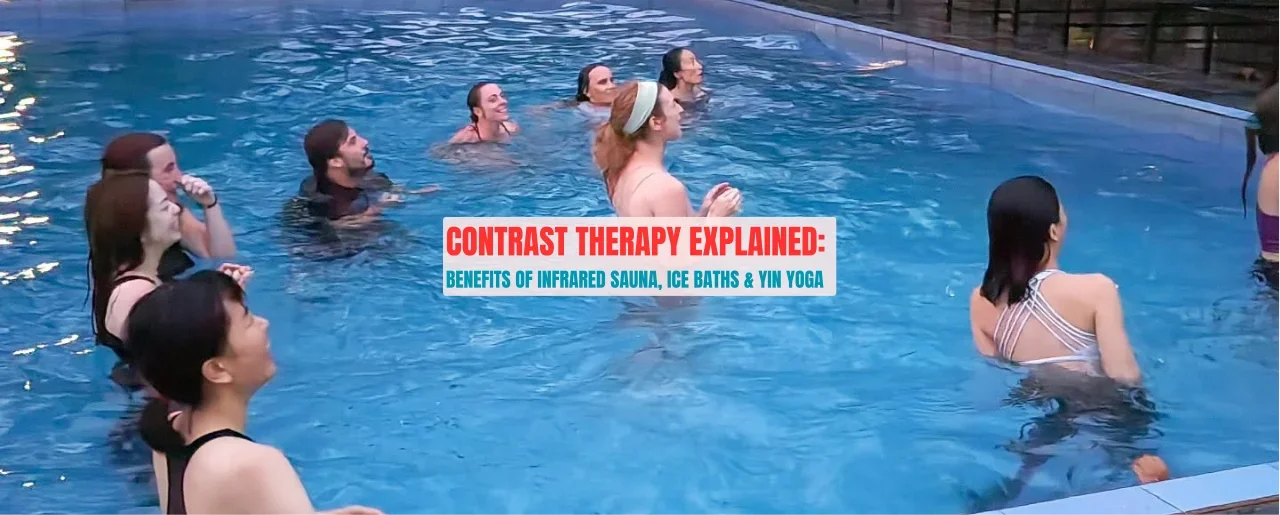
Discover how heat, cold exposure and gentle yoga practices can complement a balanced approach to physical recovery, relaxation and overall well-being.
What Is Contrast Therapy?
Contrast therapy is a wellness and recovery approach that involves alternating between warm and cold environments or treatments. Common examples include spending time in a sauna followed by a cold-water immersion or shower. These practices expose the body to different temperatures and create distinct physical sensations.
Interest in contrast therapy has grown among fitness enthusiasts, athletes and people looking for ways to support relaxation and recovery. Infrared sauna sessions, cold-water immersion and gentle yoga can each contribute to a broader self-care routine, although they work in different ways.
It is important to understand that Yin Yoga is not technically a form of contrast therapy. However, its slow movements, supported postures and meditative approach can complement heat and cold-based wellness practices.
1. Infrared Sauna: Understanding Heat Therapy
An infrared sauna uses infrared energy to warm the body directly rather than relying entirely on heating the surrounding air. This creates a different experience from a traditional sauna, although both involve exposure to heat.
Potential Benefits of Infrared Sauna
- Relaxation: Warmth can help people feel relaxed and unwind after a demanding day.
- Temporary muscle comfort: Heat may help ease feelings of muscle stiffness.
- Circulation response: Heat exposure increases blood flow to the skin as the body regulates temperature.
- Stress management: A quiet sauna session can provide time away from daily distractions.
- Mindful self-care: A consistent relaxation routine can support general well-being.
Infrared sauna use should be comfortable and moderate. It should not be considered a guaranteed detoxification method or a replacement for medical treatment.
2. Ice Baths: Understanding Cold-Water Immersion
Ice baths involve immersing the body in cold water for a controlled period. Athletes sometimes use cold-water immersion after strenuous exercise because it may reduce perceived muscle soreness. However, the effects can vary depending on the individual, water temperature and exercise routine.
Potential Benefits of Ice Baths
- Perceived muscle soreness: Cold-water immersion may help reduce the sensation of muscle soreness after intense exercise.
- Alertness: Sudden cold exposure can create a temporary feeling of alertness.
- Recovery routine: Some athletes incorporate cold immersion into their post-exercise recovery practices.
- Personal resilience: Learning to remain calm during a controlled cold exposure may help some people practise emotional self-regulation.
Cold exposure is not suitable for everyone. Sudden immersion can place significant stress on the cardiovascular system. People with heart conditions, uncontrolled blood pressure or circulation problems should seek medical advice before trying it.
3. Yin Yoga: A Gentle Approach to Flexibility and Relaxation
Yin Yoga is a slow-paced yoga practice in which postures are generally held for longer periods with the support of props when needed. Unlike dynamic yoga styles, it places emphasis on stillness, mindful breathing and comfortable positioning.
Why Include Yin Yoga in a Wellness Routine?
- Flexibility: Regular, appropriately modified practice can help improve comfortable range of motion.
- Mindfulness: Longer holds encourage attention to breathing and present-moment awareness.
- Relaxation: Gentle postures can provide an opportunity to slow down and release everyday tension.
- Body awareness: Practitioners learn to recognise their limits and respond to physical sensations.
- Accessible movement: Props and modifications can make many postures adaptable to different experience levels.
4. How Heat, Cold and Yin Yoga Can Complement Each Other
Infrared sauna, cold-water immersion and Yin Yoga have different purposes. Rather than treating them as interchangeable therapies, consider how each might fit into an individual wellness routine.
Heat may provide temporary relaxation, cold immersion may help some people manage post-exercise soreness, and Yin Yoga offers an opportunity for gentle movement and mindful breathing.
There is no universal requirement to combine all three practices or to alternate between extreme temperatures. A comfortable, gradual approach is more appropriate than pushing the body beyond its limits.
5. Important Safety Considerations
Before starting a heat or cold exposure routine, consider your health, fitness level and personal tolerance.
- Start with comfortable temperatures and short sessions.
- Stay hydrated and avoid heat exposure when dehydrated.
- Never force yourself to remain in an uncomfortable sauna or cold bath.
- Avoid sudden extreme temperature changes, particularly if you are new to these practices.
- Stop immediately if you experience dizziness, chest discomfort, breathing difficulties or unusual symptoms.
- Consult a qualified healthcare professional if you have an existing medical condition or are unsure whether heat or cold exposure is appropriate.
6. Bringing Mindfulness and Yoga into Everyday Life
Wellness is not about following the latest recovery trend. It is about developing sustainable habits that support physical comfort, mental balance and a healthy relationship with your body.
Yoga provides a foundation for this approach through mindful movement, breathing exercises, meditation and self-awareness. Those interested in developing a deeper understanding of traditional yoga practices can explore Nepal yoga teacher training and discover opportunities to study yoga in a peaceful Himalayan setting.
For practitioners who have already completed foundational teacher training and want to explore advanced yogic studies, the 300 hour yoga teacher training in Nepal provides a separate pathway for further learning and development.
Final Thoughts
Contrast therapy brings attention to the different experiences of heat and cold, while Yin Yoga offers a slower approach to movement and mindfulness. Each practice has its own place in a balanced wellness routine.
The most valuable approach is one that respects individual needs, prioritises safety and supports long-term well-being rather than chasing quick results.