Introduction
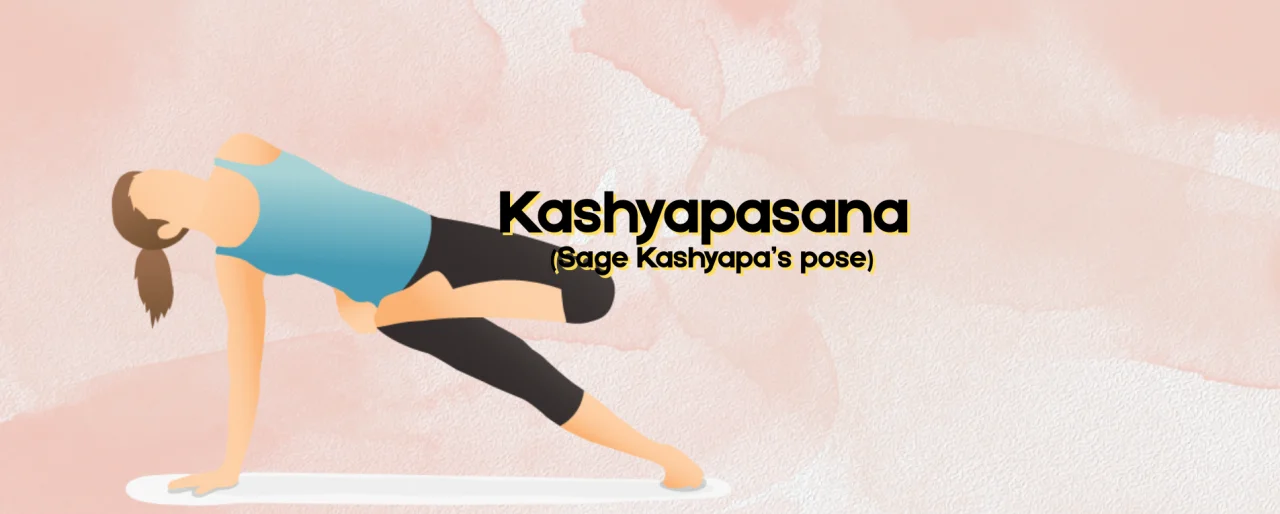
Among the advanced yoga asanas that combine strength, balance, and concentration, Kashyapasana—or Sage Kashyapa’s Pose—stands out as a posture of stability and grace. Named after the great Vedic sage Kashyapa, this pose reflects discipline, wisdom, and spiritual grounding. It is a unique seated twist and balance posture practiced in advanced yoga sequences.
If you are on the journey of deepening your yoga knowledge, you will often explore postures like this during a Yoga Teacher Training in Nepal, where ancient yoga techniques are taught with traditional wisdom and modern alignment principles.
What is Kashyapasana?
- Kashyapa → Named after Sage Kashyapa, symbolizing intuition and knowledge.
- Asana → Pose/Posture.
Kashyapasana is a yoga posture that involves shoulder mobility, spinal twist, and balance. It requires flexibility in the hips and hamstrings as well as awareness of breath to maintain steadiness.
Step-by-Step Guide to Practice Kashyapasana
- Starting Position – Sit on the mat with legs stretched forward.
- Bend & Balance – Bend the right knee and bring the foot close to the left thigh.
- Twist the Body – Rotate the torso to the right side as you extend the left arm across the bent leg.
- Hand Placement – Wrap the left arm under the bent right thigh and try to clasp the hands behind the back.
- Lift and Balance – Slowly lean forward while engaging the core and balancing the body weight.
- Gaze & Breath – Keep your gaze forward, steady your breath, and hold for 15–25 seconds.
- Release – Exhale, slowly release the twist, and return to sitting posture. Repeat on the other side.
Benefits of Kashyapasana (Sage Kashyapa’s Pose)
- Spinal Flexibility – Improves mobility and spinal alignment.
- Shoulder & Chest Opening – Strengthens upper body and increases flexibility.
- Hip & Hamstring Stretch – Relieves stiffness and tension in the legs.
- Core Strengthening – Builds stability and balance.
- Improves Digestion – The twist stimulates abdominal organs and boosts metabolism.
- Mindfulness & Concentration – Enhances focus, patience, and body awareness.
Precautions & Contraindications
- Avoid if you have serious spinal, shoulder, or hip injuries.
- Pregnant women should not attempt this pose.
- Beginners should first master simpler twists before moving to Kashyapasana.
- Always practice under the guidance of a certified yoga teacher.
Spiritual & Energetic Significance
Kashyapasana symbolizes the wisdom of Sage Kashyapa, who is revered as the Father of Creation in Vedic texts. In yoga practice, this pose enhances inner awareness, discipline, and grounding energy, activating the Manipura Chakra (solar plexus) and improving focus for meditation.
Kashyapasana in Yoga Teacher Training in Nepal
Advanced postures like Kashyapasana are often introduced during Yoga Teacher Training in Nepal, where you learn not only the physical technique but also the philosophical background of each pose. Surrounded by the Himalayas and immersed in authentic yogic traditions, you can refine your practice and gain the confidence to teach worldwide.
Whether you’re aiming for personal growth or professional teaching, learning asanas like Kashyapasana in Nepal provides a rare opportunity to combine posture, philosophy, and spiritual awakening.
Conclusion
Kashyapasana (Sage Kashyapa’s Pose) is a beautiful blend of strength, flexibility, and mindfulness. While it is an advanced posture, consistent practice with guidance can help unlock both physical and mental transformation.
For those ready to explore deeper dimensions of yoga, pairing challenging asanas like Kashyapasana with the holistic experience of a Yoga Teacher Training in Nepal is an extraordinary pathway to self-discovery and teaching mastery.