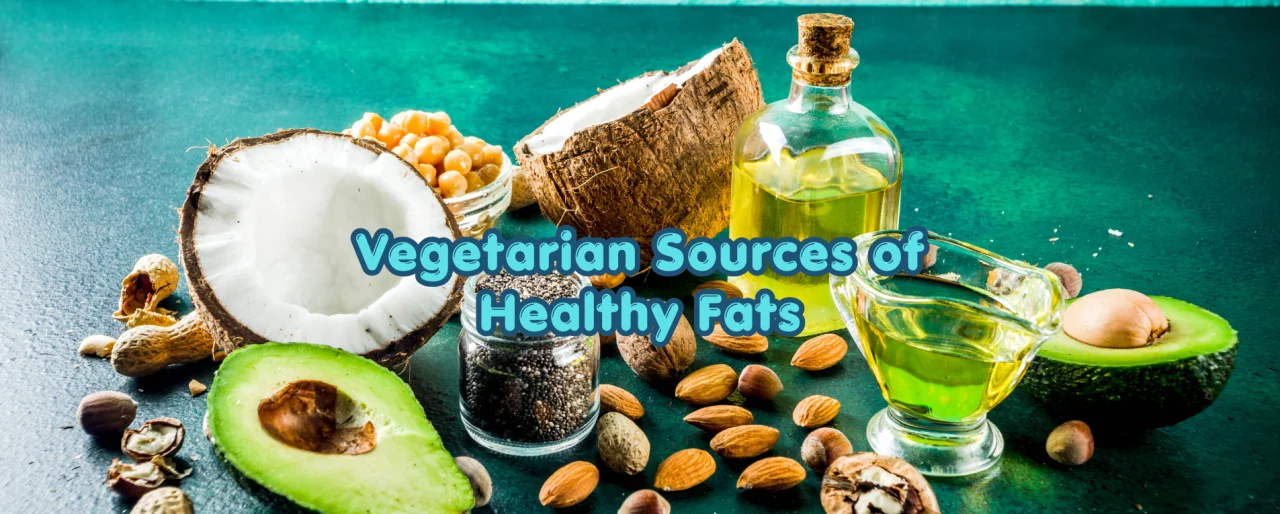
Healthy fats play a crucial role in every diet—supporting heart health, brain function, hormone balance, and skin nourishment. If you follow a vegetarian or plant-based lifestyle, it’s important to ensure you’re getting enough quality fats from non-animal sources.
In this guide, we’ll explore:
- Why healthy fats matter in a vegetarian diet
- The best plant-based fat sources
- Easy ways to include them in your meals
- How to avoid deficiencies (especially omega-3s)
Why Healthy Fats Matter in a Vegetarian Diet
Fats are one of the three essential macronutrients (alongside protein and carbohydrates). But not all fats are equal—focus on unsaturated fats (monounsaturated and polyunsaturated) while minimizing trans and excessive saturated fats.
Healthy fats help with:
- Absorbing fat-soluble vitamins (A, D, E, and K)
- Brain development and cognitive health
- Hormone regulation
- Inflammation reduction
- Healthy skin, hair, and nails
Top Vegetarian Sources of Healthy Fats
- Avocados
Rich in monounsaturated fats, potassium, and fiber.
How to use: Spread on toast, blend into smoothies, or slice into salads. - Nuts & Nut Butters
Almonds, walnuts, cashews, and others provide fats, protein, and antioxidants.
How to use: Snack on raw nuts, make trail mix, or use nut butters on fruits or whole grains. - Seeds (Chia, Flax, Hemp, Pumpkin, Sunflower)
Loaded with omega-3s and fiber.
How to use: Sprinkle over oatmeal, yogurt, or blend into baked goods. - Coconut & Coconut Oil
Contains MCTs for quick energy. Use in moderation.
How to use: In cooking, smoothies, or raw desserts. - Olives & Olive Oil
Rich in monounsaturated fats and polyphenols.
How to use: Dressings, roasted vegetables, or as a bread dip. - Dark Chocolate
Quality chocolate (70%+) contains monounsaturated fats and antioxidants.
How to use: Enjoy a square a day or add raw cacao to smoothies. - Soy Products (Tofu, Tempeh, Edamame)
Moderate in fat and high in protein and isoflavones.
How to use: Stir-fry, grill, or add to soups and salads.
🧠 Tips for Including Healthy Fats in Your Daily Meals
- Start your morning with chia pudding or nut butter toast.
- Use extra virgin olive oil for salad dressings and light cooking.
- Snack on raw mixed nuts and seeds daily.
- Add avocado slices or hemp seeds to your smoothies or grain bowls.
- Make your own granola using flax or sunflower seeds.
Are You Getting Enough Omega-3s?
Vegetarians often lack direct sources of EPA and DHA (found in fish). However, plant foods like:
- Chia seeds
- Flaxseeds
- Walnuts
- Hemp seeds
… contain ALA (Alpha-linolenic acid), which the body can convert to EPA and DHA—though not efficiently.
Final Thoughts
A vegetarian diet can provide all the healthy fats you need—if you’re intentional. Focus on whole, minimally processed sources like avocados, nuts, seeds, and olive oil to support your wellness without compromising your values.
Eat mindfully, diversify your fat sources, and remember: healthy fats are your allies for energy, vitality, and long-term health.
Related Read: Explore how mindful eating complements yogic practice in our Nepal Yoga Teacher Training—where nutrition and ancient wisdom go hand in hand.