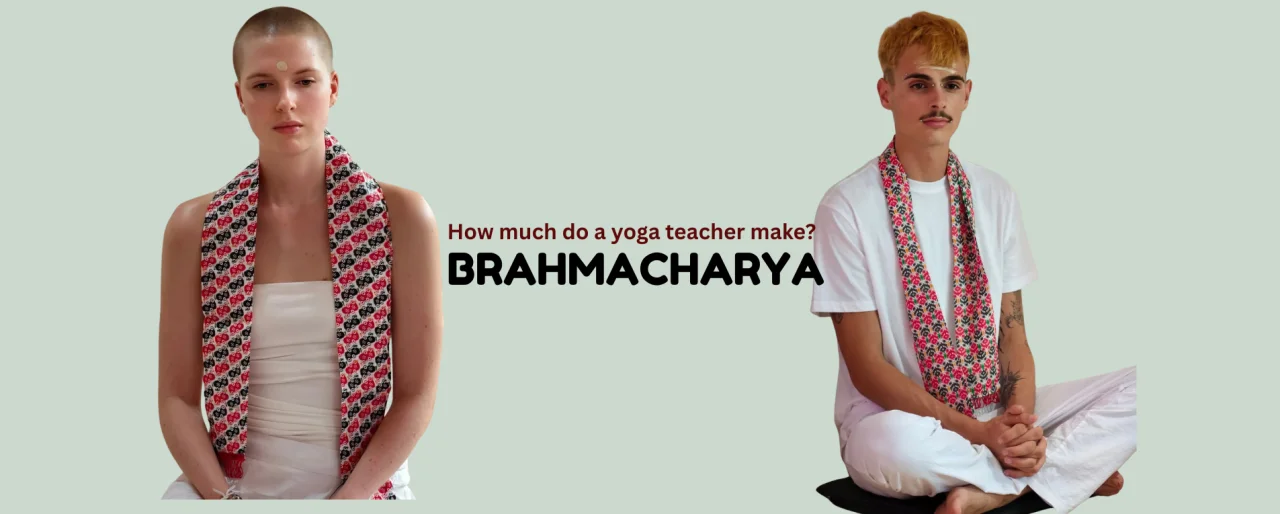
Embracing Brahmacharya: A Modern Path to Self-Mastery
Brahmacharya is one of the core principles in yogic philosophy—often misunderstood, yet deeply transformative. In today’s fast-paced world, the practice of Brahmacharya can offer clarity, control, and purpose. Whether you're exploring yoga retreats or seeking inner balance, understanding this timeless concept can elevate your spiritual and physical well-being.
What Is Brahmacharya?
Brahmacharya is a Sanskrit word that translates to “behavior that leads to Brahman (the Divine).” Traditionally, it refers to celibacy or self-restraint, especially in the context of sensory pleasures. But in a broader sense, it means living with awareness, moderation, and spiritual focus.
It is one of the five Yamas (ethical disciplines) outlined in Patanjali’s Yoga Sutras, alongside Ahimsa (non-violence), Satya (truthfulness), Asteya (non-stealing), and Aparigraha (non-possessiveness).
Why Is Brahmacharya Still Relevant Today?
In an age of overstimulation—social media, instant gratification, burnout—Brahmacharya invites us to pause, redirect our energy inward, and find lasting contentment. Here's how:
- Mental Clarity: Reducing distractions leads to improved concentration and mindfulness.
- Healthy Relationships: By managing desires, you develop deeper, more meaningful connections.
- Energy Conservation: It promotes vitality, better sleep, and inner balance.
- Spiritual Growth: Practicing moderation creates space for deeper meditation and self-realization.
Living Brahmacharya Through
If you're looking to practice Brahmacharya in a supportive and serene environment, consider exploring Yoga in Nepal.
Nepal is home to sacred monasteries, Himalayan retreats, and traditional ashrams where Brahmacharya is not just taught—it’s lived. Whether you're attending a silent retreat in Pokhara or a Hatha Yoga training in Kathmandu, the calm natural surroundings and disciplined routines create the perfect setting to embody this yogic virtue.
"In the mountains of Nepal, silence speaks louder than the noise of the world."
How to Begin Practicing Brahmacharya
Start small and stay consistent. Brahmacharya isn’t about suppression—it’s about awareness and conscious choice.
Practical Tips:
- Set boundaries with digital devices and social media
- Practice mindful eating and conscious speech
- Explore meditation and breathwork
- Join a yoga retreat that incorporates Brahmacharya, such as those in Nepal
Final Thoughts: Brahmacharya Is About Mastery, Not Denial
Brahmacharya is a lifestyle of balance, not repression. It encourages us to channel our energy toward purpose and growth. Whether you're on a yoga mat in your living room or a mountain peak in Nepal, this principle guides you to your higher self.