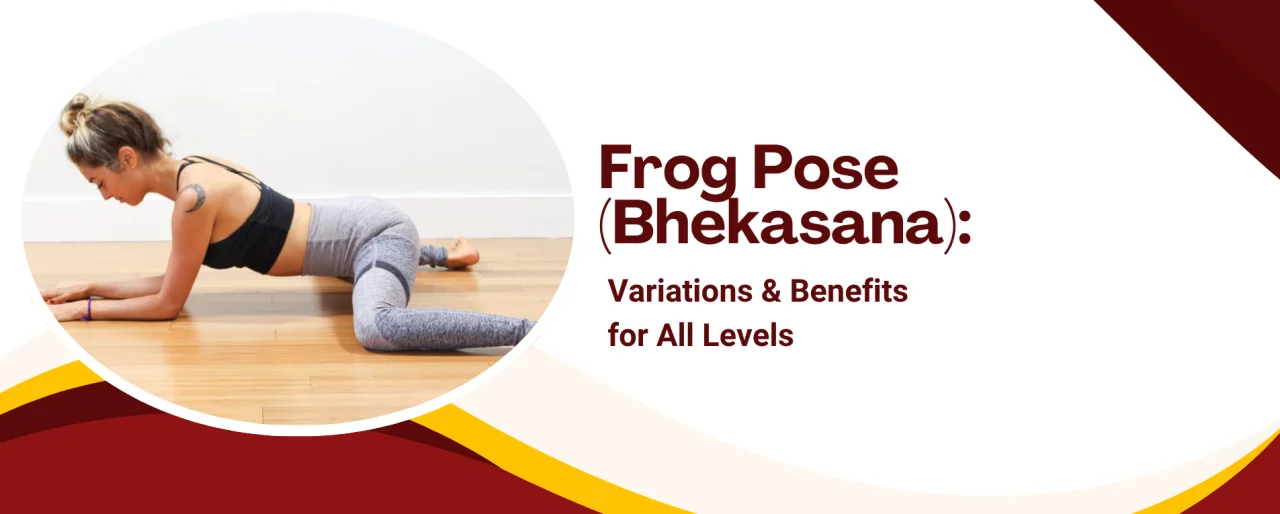
Frog Pose, or Bhekasana, is a powerful heart-opening and hip-releasing posture that challenges both body and mind. Whether you’re a beginner seeking deeper flexibility or an advanced yogi working on emotional release through backbends, Frog Pose offers something for everyone.
In this guide, we’ll break down Bhekasana step-by-step, offer beginner-friendly and advanced variations, and explore its physical, energetic, and emotional benefits.
What Is Frog Pose (Bhekasana)?
Derived from the Sanskrit word “Bheka” meaning frog, and “Asana” meaning pose, Bhekasana mimics a frog's posture — deep, grounded, and open. It's typically practiced in a prone position (lying on the belly), though there are variations performed on hands and knees.
Main Benefits:
- Opens the hip flexors and groin
- Strengthens the back and thighs
- Expands the chest and shoulders
How to Practice Classic Bhekasana
- Lie flat on your stomach, chin on the mat
- Bend your knees, bringing your heels toward your hips
- Reach back with both hands and hold your feet from the inside
- Slowly press your feet down toward the mat as you lift your chest
- Keep your gaze forward and breathe deeply for 3–5 breaths
Tip: Never force the knees; ease into the pose with breath and support.
Variations for All Levels
For Beginners: Supported Frog Pose (On All Fours)
- Kneel on the mat and slowly widen your knees
- Place a cushion or block under the chest or hips
- Keep feet in line with knees and rest forearms on the ground
Why it helps: Builds groin flexibility with less intensity and more control.
Intermediate: Half Frog Pose (Ardha Bhekasana)
- Lie on your belly and bend only one knee
- Reach back with one arm to press the foot toward the ground
- Keep the other arm forward for balance
Why it helps: Builds symmetry and back strength without straining both knees.
Advanced: Full Bhekasana
- Grasp both feet, press them toward the ground
- Simultaneously lift the chest and thighs
- Maintain breath and inner focus
Why it helps: Deepens heart opening, stretches the psoas, and activates the Anahata chakra.
Benefits of Frog Pose
Physical Benefits
- Improves hip mobility and groin flexibility
- Strengthens the lower back and glutes
- Stretches quadriceps and abdominals
- Aids in posture correction
Mental & Energetic Benefits
- Releases emotional tension stored in the hips
- Stimulates sacral and heart chakras
- Encourages patience, surrender, and vulnerability
- Helps calm the nervous system when practiced slowly
Practice in a Healing Environment
Frog Pose, especially in deeper variations, should be practiced mindfully and with support. Practicing in a nurturing environment, like a certified yoga center in Nepal, can make a world of difference.
These Himalayan-based centers offer traditional Hatha and Yin yoga classes that focus on safe alignment, breath, and inner awareness — making postures like Bhekasana a pathway to both flexibility and self-discovery.
Safety Tips
- Avoid if you have knee, groin, or lower back injuries
- Use props like blankets or blocks for knee support
- Warm up hips and thighs before attempting deeper versions
- Focus on breath to release resistance
Final Thoughts
Frog Pose is more than a hip opener — it’s a journey inward. With consistent practice, patience, and the right guidance, Bhekasana can unlock tight hips, open the heart, and bring stillness to both body and mind.
If you're ready to explore this and other transformative postures in a traditional setting, a yoga center in Nepal offers the perfect balance of discipline and serenity.