Introduction
After an intense yoga session, the body and mind need a moment of stillness to absorb the benefits of practice. That’s where Makarasana, or Crocodile Pose, plays a vital role. Known as one of the best restorative postures in yoga, Makarasana deeply relaxes the body, calms the nervous system, and supports spinal alignment.
It is often taught in depth during advanced programs such as Yoga Teacher Training in Nepal, where emphasis is placed not only on dynamic asanas but also on restorative postures that balance energy and health.
What is Makarasana (Crocodile Pose)?
The word “Makarasana” comes from Sanskrit:
- Makara → Crocodile
- Asana → Pose/Posture
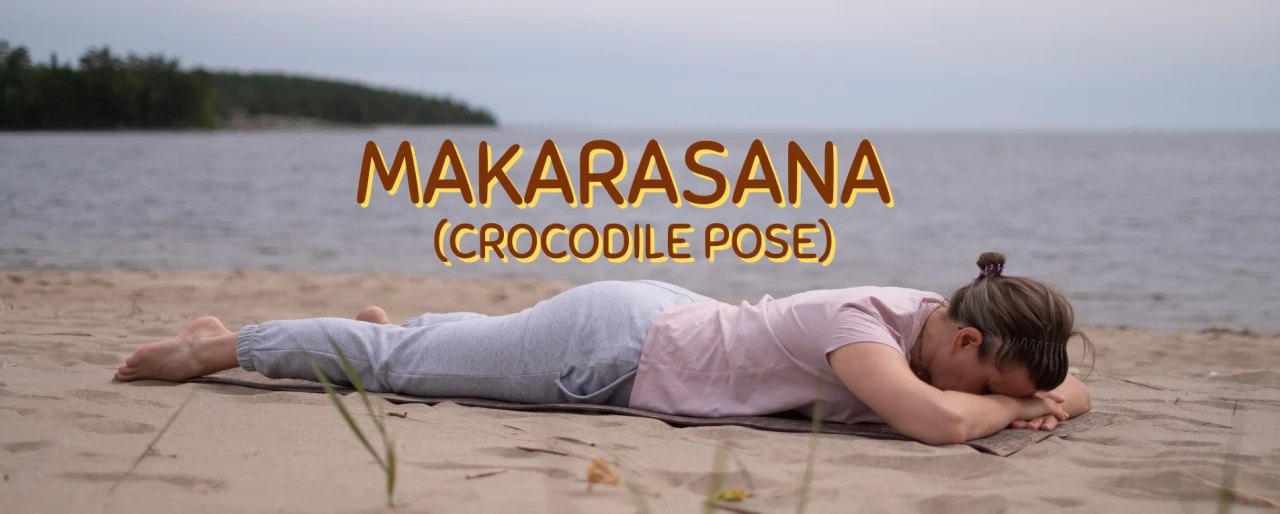
When lying in the pose, the body resembles a resting crocodile—still, alert, yet calm. Unlike active backbends, this posture is restorative and passive, making it suitable for practitioners of all levels.
Step-by-Step Guide to Practice Makarasana
- Starting Position – Lie flat on your stomach on a yoga mat.
- Position the Legs – Keep the legs stretched out, slightly apart, with toes pointed outward.
- Position the Arms – Fold your arms in front, resting one hand over the other. Place your forehead gently on your arms.
- Relax the Body – Close your eyes and allow your body to sink into the mat.
- Focus on Breathing – Take slow, deep breaths, allowing the chest and abdomen to expand naturally.
- Duration – Stay in this pose for 2–5 minutes or longer, until the body feels relaxed.
Key Benefits of Makarasana (Crocodile Pose)
- Relieves Stress & Fatigue – Promotes deep relaxation of the nervous system.
- Supports Spinal Health – Alleviates pressure on vertebrae and helps reduce back pain.
- Improves Breathing – Opens the chest and encourages diaphragmatic breathing.
- Prepares for Meditation – Helps calm the mind before pranayama or meditation.
- Restorative Healing – Suitable after intense workouts or backbends for recovery.
Precautions
While Makarasana is safe for most people, keep in mind:
- People with severe spine or leg injuries should consult a doctor before practice.
- Avoid sleeping in this posture for long periods.
- Pregnant individuals can modify by supporting the chest with a bolster.
Spiritual & Energetic Significance
Makarasana is associated with grounding energy. It promotes mindfulness and awareness, helping practitioners reconnect with their breath and inner silence. This makes it a perfect preparatory posture for meditation and pranayama practices.
Makarasana in Yoga Teacher Training in Nepal
During a Yoga Teacher Training in Nepal, students are taught not only active yoga postures but also restorative poses like Makarasana to balance the practice. In the serene Himalayan environment, learning Makarasana becomes deeply transformative, allowing practitioners to understand how relaxation is as important as physical strength.
If you’re looking to become a certified yoga teacher or simply enhance your practice, integrating Makarasana will help you develop awareness, patience, and a deeper connection with yoga philosophy.
Conclusion
Makarasana (Crocodile Pose) is simple yet highly effective in providing complete relaxation to the body and mind. It balances the effects of active asanas, improves breathing, and reduces tension, making it a must-have in every yoga practice.
For those looking to explore yoga on a deeper level, including both dynamic postures like Poorna Dhanurasana and restorative poses like Makarasana, enrolling in a Yoga center in Nepal is the perfect gateway to spiritual growth and teaching expertise.