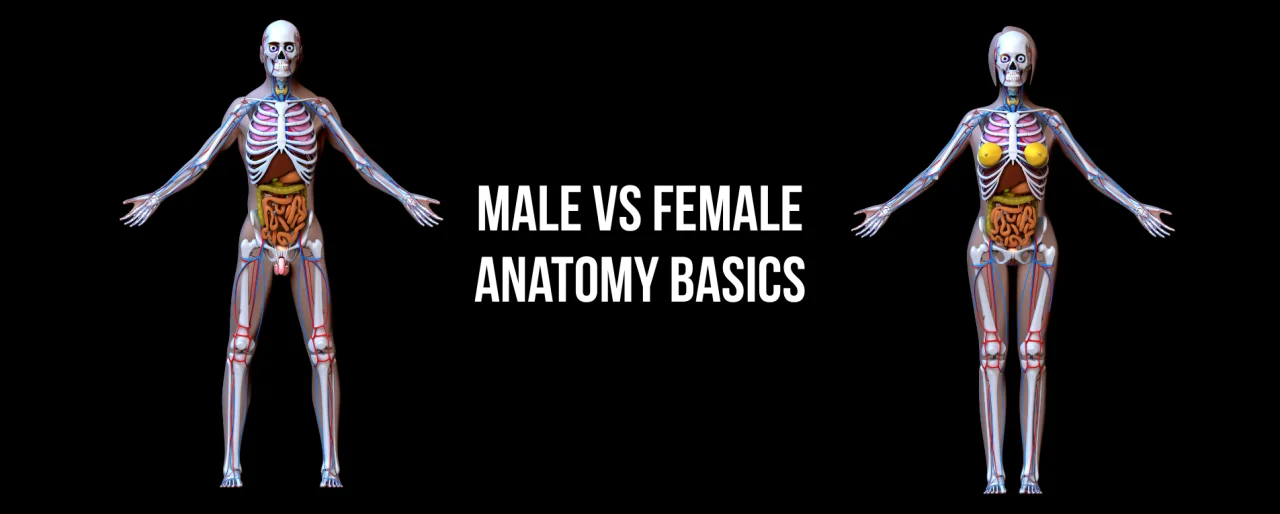
Key Anatomical Differences
- Body Shape and Size: Males are generally taller with broader shoulders and a more muscular build, reflecting higher muscle mass and testosterone influence. Females tend to have a shorter stature, wider hips, and a higher percentage of body fat, contributing to a curvier silhouette.
- Skeletal System: Male bones are typically larger, denser, and thicker, especially in the skull, jaw, and limbs. Female skeletal structure is designed to support childbirth with a wider and shallower pelvis.
- Reproductive Organs:
- Males: External genitalia including the penis and scrotum containing testicles that produce sperm and testosterone.
- Females: Internal genitalia such as ovaries that produce eggs, fallopian tubes, a uterus for fetal development, and a vaginal canal. Females also have breasts, which are generally absent in males.
- Muscular and Fat Distribution: Males possess more muscle mass, especially in the upper body, leading to a "V-shaped" physique. Females have a higher body fat percentage distributed around hips and thighs, supporting reproductive functions.
- Endocrine and Hormonal Differences: Males produce higher levels of testosterone, which affects muscle growth, voice deepening, and body hair. Females produce estrogen and progesterone, regulating menstrual cycles, pregnancy, and secondary sexual characteristics.
- Pelvic Structure: Female pelvis is wider and more adapted for childbirth, while the male pelvis is narrower and taller.
Physiological and Genetic Differences
- Metabolism: Males generally have a higher basal metabolic rate due to greater muscle mass.
- Cardiovascular System: Male hearts and blood vessels tend to be larger, enabling greater physical endurance, while females have lower blood pressure and higher "good" cholesterol levels.
- Genetics: Females have two X chromosomes (XX) and males have one X and one Y (XY), influencing sexual development and some genetic disease susceptibilities.
Similarities
- Both sexes share many structural features and biological functions, including the presence of similar bones and muscles, and many organs like the heart, lungs, and digestive system behave similarly.
- The development of genitalia in the embryo starts from common structures that differentiate into male or female forms.
Deepen Your Anatomical Knowledge: Yoga Teacher Training in Nepal
For those interested in learning more about male and female anatomy, especially in the context of holistic health and yoga, consider joining a yoga teacher training in Nepal. These programs often explore anatomy, physiology, and the subtle body—integrating modern science with ancient wisdom for balanced understanding. Training in Nepal combines deep anatomical study with yoga practice in a serene Himalayan setting.