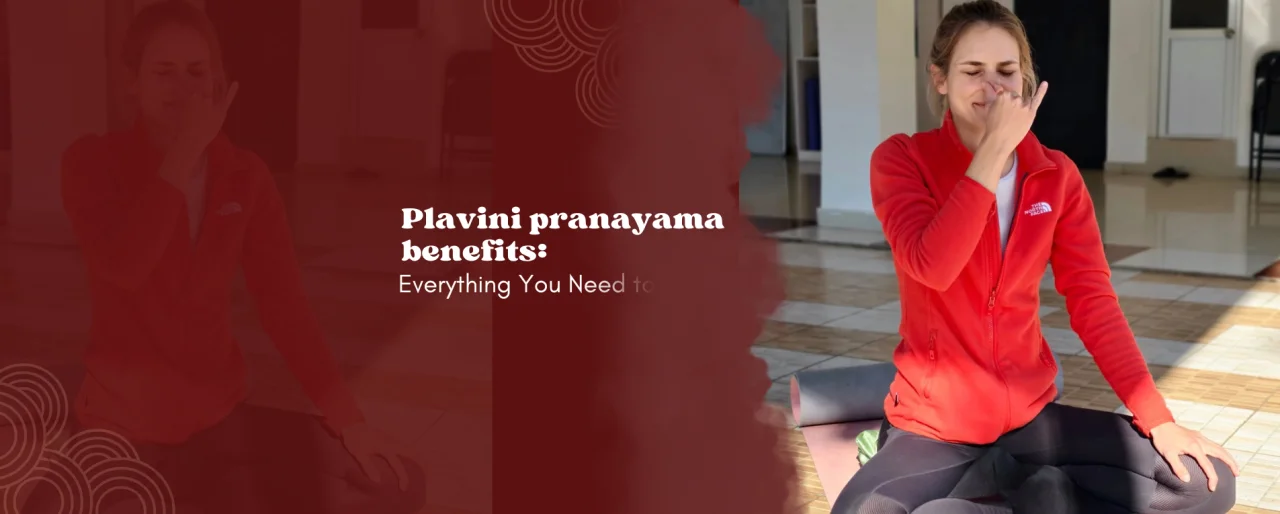
Plavini Pranayama is one of the lesser-known but incredibly powerful pranayama techniques in traditional yoga. Unlike more common breathwork practices like Anulom Vilom or Bhramari, Plavini focuses on retaining air in the stomach, impacting digestion, detoxification, and even buoyancy in water.
In this article, we’ll explore:
- What is Plavini Pranayama?
- Its unique and powerful benefits
- Step-by-step technique
- Why it's taught in Nepal Yoga Teacher Training
- Safety tips and who should avoid it
What is Plavini Pranayama?
The word Plavini comes from the Sanskrit root “Plava,” meaning "to float." This advanced pranayama involves swallowing air into the stomach (not lungs), retaining it, and later either digesting or releasing it.
Yogis have traditionally used Plavini to:
- Control hunger and thirst during long practices
- Detoxify the digestive system
- Attain lightness or buoyancy in water
Top Benefits of Plavini Pranayama
| Benefit | Description |
|---|---|
| 🌊 Buoyancy in Water | Yogis report the ability to float in water for long periods. |
| 🧽 Internal Detox | Helps cleanse digestive organs and balance gut function. |
| 🧘 Control Over Hunger | Reduces the sensation of hunger and thirst – helpful during fasts or meditation retreats. |
| 🫁 Strengthens Diaphragm | Builds breath control and tones abdominal muscles. |
| 🔋 Energizing | Enhances pranic flow, especially in the digestive area. |
How to Practice Plavini Pranayama (Step-by-Step)
Important: Always practice under guidance if you’re new. Plavini is recommended only after mastering basic pranayamas.
- Sit in Padmasana or Sukhasana with a straight spine.
- Inhale deeply through the nose.
- Swallow air slowly into the stomach – not the lungs.
- Repeat 3–4 times until the abdomen feels inflated.
- Retain the air as long as comfortably possible.
- Release the air either by controlled exhale or gentle burp.
- Rest and repeat for 2–3 cycles.
When & Where is It Taught?
In our Nepal Yoga Teacher Training, Plavini is taught as part of advanced pranayama modules. The high-altitude and calm environment of Nepal enhances your ability to learn and internalize these subtle yogic techniques.
⚠️ Who Should Avoid Plavini Pranayama?
- Individuals with ulcers, hernia, or severe acidity
- Pregnant women
- People with chronic gas or bloating issues
- Absolute beginners to yoga or pranayama
Integrating Plavini into Your Practice
Plavini is not for daily use by most yogis. Instead, it can be:
- Practiced seasonally as a digestive detox
- Used during fasting or spiritual retreats
- Combined with Kapalabhati or Nauli for maximum cleansing effect
Final Thoughts
Plavini Pranayama is a hidden gem in the yogic tradition. Though not often taught in regular yoga classes, it offers immense value for practitioners seeking internal mastery, digestive health, and deeper states of stillness.
If you're ready to explore beyond surface-level yoga, consider our Nepal Yoga Teacher Training — where ancient practices like Plavini are taught directly from teacher to student in their original context.