In the world of yoga, asanas and pranayama often take center stage. But deep beneath the surface lies an ancient system designed to purify the body and mind before deeper practices begin — Shatkarma.
Derived from the Sanskrit words “Shat” (six) and “Karma” (action), Shatkarma refers to six internal cleansing techniques in Hatha Yoga that help eliminate toxins, restore balance, and prepare the body for higher yogic disciplines.
Whether you’re new to yogic practices or on a teacher training path, understanding Shatkarma can elevate your physical and spiritual well-being.
What Is Shatkarma?
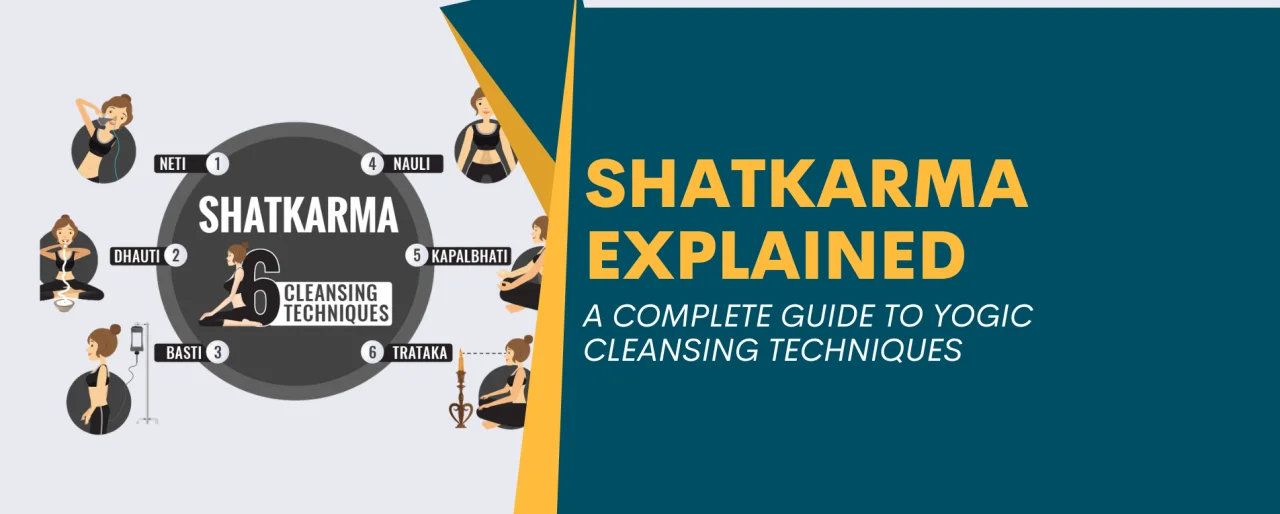
Shatkarma, also called Shatkriya, is a set of six purification techniques described in classical Hatha Yoga texts like the Hatha Yoga Pradipika and Gheranda Samhita. These techniques are:
- Neti – Nasal cleansing
- Dhauti – Digestive tract cleansing
- Nauli – Abdominal massage
- Basti – Colon cleansing
- Kapalabhati – Frontal brain cleansing (via breath)
- Trataka – Eye cleansing through focused gazing
These aren’t merely physical techniques. When practiced under proper guidance, Shatkarmas are known to balance the doshas, improve digestion, enhance pranic flow, and boost mental clarity.
Why Practice Shatkarma?
- Cleanses the internal organs
- Improves immunity and digestion
- Balances the nervous system
- Enhances mental focus and meditation
- Prepares the body for asana and pranayama
Most importantly, it clears energetic blockages, allowing prana (life force) to flow freely — a key prerequisite for deeper yogic practices.
A Closer Look at the Six Shatkarmas
1. Neti – Nasal Cleansing
Uses warm saline water to cleanse nasal passages. Common methods: Jala Neti (with water) and Sutra Neti (with a thread).
2. Dhauti – Internal Organ Cleansing
Includes techniques like Vamana Dhauti (induced vomiting), Danda Dhauti, and Vastra Dhauti using cloth. These remove toxins from the stomach and esophagus.
3. Nauli – Abdominal Massage
A dynamic cleansing technique involving the churning of abdominal muscles. It tones digestion and massages internal organs.
4. Basti – Yogic Enema
Cleanses the colon using water or air. Traditionally done via Sthala Basti or Jala Basti. Aids in detox and balances Vata dosha.
5. Kapalabhati – Skull Shining Breath
A forceful breathing technique that clears the sinuses and energizes the brain. Often confused with pranayama, but traditionally classified as a kriya.
6. Trataka – Concentrated Gazing
Involves gazing at a candle flame without blinking. Cleanses the eyes, improves vision, and sharpens concentration.
Learn Shatkarma with Expert Guidance
These powerful techniques must be learned from trained instructors in a supportive environment, as improper practice can cause imbalance. That’s why many yoga aspirants choose to train at an authentic yoga center in Nepal.
Set against the Himalayan backdrop, Nepal offers the perfect setting to explore traditional yogic practices — with many centers offering in-depth guidance on Shatkarma, Ayurveda, and classical Hatha Yoga.
Who Should Practice Shatkarma?
- Yoga teachers or trainees
- Individuals with digestive or sinus issues
- Spiritual seekers pursuing meditation
- People looking for holistic detox methods
Note: It’s crucial to consult a certified yoga therapist or teacher before starting these kriyas, particularly Dhauti and Basti.
Final Thoughts
Yoga is not just about flexibility — it’s about purification, transformation, and elevation. Shatkarma, though often overlooked, holds the key to a cleaner, clearer path toward spiritual growth.
If you're serious about your yogic journey, begin by purifying the vessel — your body. And if you're ready to learn under expert guidance, consider visiting a traditional yoga center in Nepal for an immersive experience rooted in centuries of wisdom.