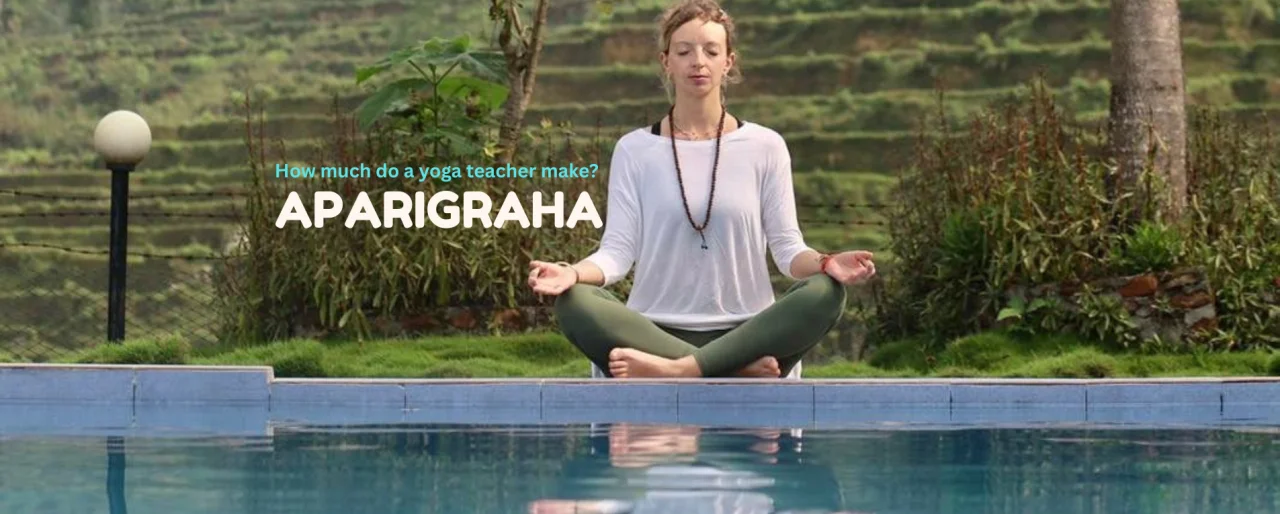
Aparigraha, or non-possessiveness, is a profound yogic principle that encourages us to release our attachment to material things, expectations, and outcomes. In a world driven by consumerism and comparison, Aparigraha offers a radical shift—a way to live freely, mindfully, and with intention.
What Does Aparigraha Mean?
The word Aparigraha comes from Sanskrit: "a" meaning "non", and "parigraha" meaning "hoarding" or "grasping." Together, it translates to **non-attachment or non-greed**.
It is the fifth Yama in Patanjali’s Yoga Sutras, alongside Ahimsa (non-violence), Satya (truth), Asteya (non-stealing), and Brahmacharya (moderation). Aparigraha teaches us to **let go of excess, embrace simplicity, and trust the natural flow of life**.
Why Aparigraha Matters in Modern Life
We are constantly bombarded by messages that more is better—more clothes, more success, more followers. But this endless chase creates stress, comparison, and discontent. Aparigraha breaks that cycle.
- Mental Peace: Less clutter = more focus and calm.
- Better Relationships: Free from expectations and control.
- Sustainability: A lifestyle with less waste and more care for the planet.
- Spiritual Growth: Letting go opens space for mindfulness and clarity.
Practicing Aparigraha Throug
One of the most powerful ways to embody Aparigraha is through immersive yogic experiences like
In the serene Himalayas, where life is slower and simpler, Aparigraha is not just a lesson—it’s a lifestyle. Monasteries and eco-retreats in Nepal encourage minimalism, mindfulness, and spiritual reflection. You learn to let go of excess and reconnect with what truly matters.
"Let go, not to lose, but to make space for what is essential."
How to Practice Aparigraha Daily
- Declutter your space—if you haven’t used it in 6 months, let it go.
- Journal your attachments—what are you holding onto emotionally?
- Resist impulse buying—ask, “Do I really need this?”
- Practice gratitude for what you already have.
- Spend time in nature or join retreats that emphasize minimalism like those offering Yoga in Nepal.
Final Thoughts: Freedom Lies in Letting Go
Aparigraha is not about denial—it’s about choosing freedom. It teaches us to release the grip of desire and embrace the beauty of the present moment. As you walk the yogic path—whether at home or in the Himalayas of Nepal—remember that less is more, and surrender is strength.