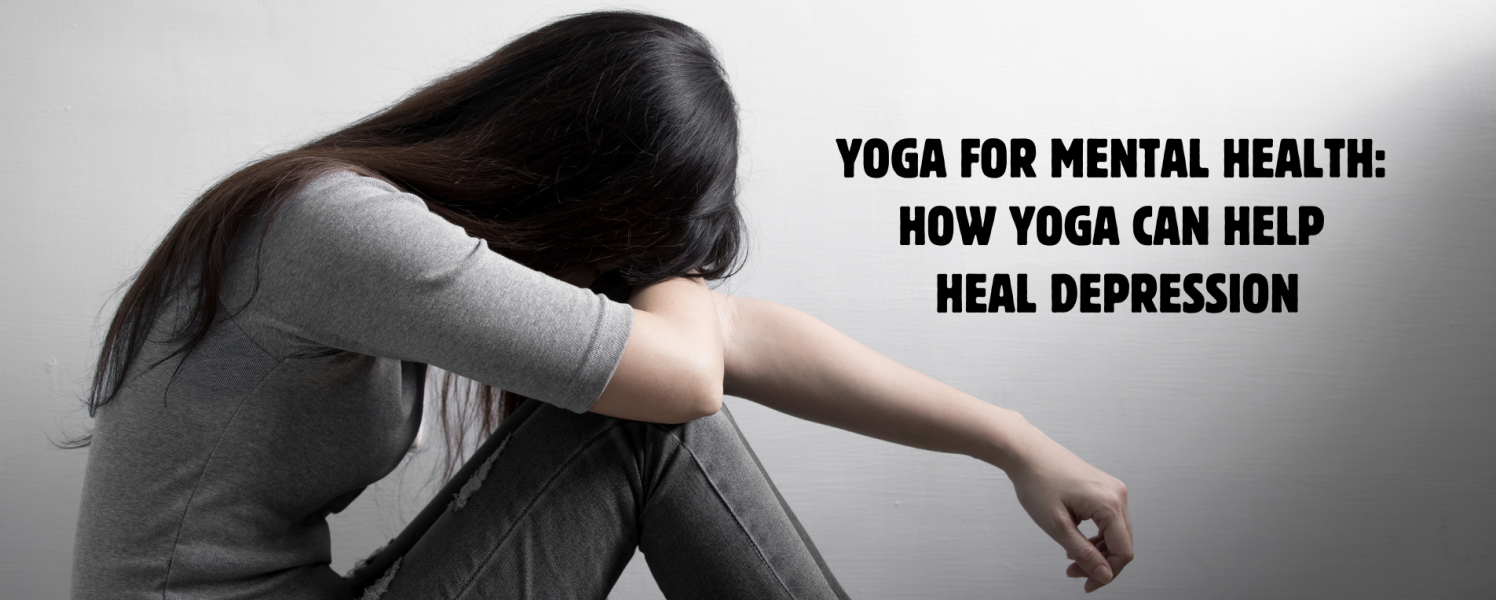
Mental Health Struggles and Yoga
Mental health struggles, including depression, affect millions of people worldwide. While traditional treatments such as therapy and medication are essential, holistic approaches like yoga have been recognized for their ability to support mental well-being. Through mindful movement, breathwork, and meditation, yoga provides a natural and effective way to improve mood, reduce stress, and foster emotional balance.
How Yoga Helps with Depression
Depression can create a cycle of negative thoughts, low energy, and physical tension. Yoga works by breaking this cycle, engaging both the mind and body to promote healing.
Key Benefits of Yoga for Mental Health:
- Reduces stress and anxiety by lowering cortisol levels
- Boosts mood by increasing serotonin and dopamine
- Encourages mindfulness and self-awareness
- Improves sleep quality and relaxation
- Releases physical tension stored in the body
Best Yoga Poses for Depression Relief
Certain yoga poses help stimulate energy, calm the nervous system, and promote emotional balance. Practicing these poses regularly can create a sense of stability and positivity.
1. Child’s Pose (Balasana)
- Calms the nervous system
- Encourages deep breathing for relaxation
2. Downward Dog (Adho Mukha Svanasana)
- Boosts circulation and energy levels
- Relieves tension in the back and shoulders
3. Warrior II (Virabhadrasana II)
- Increases strength and confidence
- Encourages a sense of grounding and stability
4. Bridge Pose (Setu Bandhasana)
- Opens the chest and heart center
- Improves mood by stimulating the nervous system
5. Corpse Pose (Savasana)
- Promotes deep relaxation and mindfulness
- Helps regulate emotions and clear the mind
Breathwork (Pranayama) for Emotional Balance
Breathing techniques in yoga can directly impact mood and mental clarity. These simple practices can be used anytime to ease stress and depression.
- Deep Belly Breathing (Diaphragmatic Breathing) - Inhale deeply through the nose, expanding the belly. Exhale slowly, releasing tension.
- Alternate Nostril Breathing (Nadi Shodhana) - Balances the nervous system and promotes emotional stability.
- Lion’s Breath (Simhasana Pranayama) - Releases built-up tension and frustration, energizing the body and mind.
Mindfulness and Meditation in Yoga
Mindfulness is a core aspect of yoga that trains the mind to stay present, reducing overthinking and negative thought patterns.
Simple Meditation Practices:
- Guided Meditation: Listen to calming audio for relaxation.
- Mantra Repetition: Focus on a positive affirmation.
- Body Scan Meditation: Bring awareness to each part of the body.
How to Start a Yoga Practice for Mental Health
- Set a Routine: Practice yoga daily, even if just for 10-15 minutes.
- Find a Comfortable Space: Create a calming environment for your practice.
- Start Slow: Choose gentle poses and gradually progress.
- Combine with Therapy: Use yoga as a complement to professional mental health support.
- Listen to Your Body: Modify poses as needed and focus on breath awareness.
Final Thoughts
Yoga is not a quick fix, but it is a powerful tool for supporting mental health and emotional well-being. By incorporating yoga into your daily routine, you can create a sense of inner peace, resilience, and self-compassion. Whether you struggle with depression, anxiety, or daily stress, yoga offers a natural path to healing and balance.
Also check : Yoga teacher in nepal